How to Ask for a Fade: A Berea Barber's Guide
The Twisted Willow Barbershop
The worst thirty seconds in a barbershop happen before the clippers turn on. You sit down, the cape snaps shut, and the barber asks what you want. You say “just a fade,” and then you spend the next half hour hoping. This guide ends the hoping. It is the same walkthrough we give first-timers in our chairs at The Twisted Willow Barbershop in Berea: what the fade names mean, the handful of details your barber needs from you, and how to keep the cut sharp after you leave. Read it once, on the house, and you will never have to guess in the chair again. Everything here works at any shop, ours included.
Know the Fade Family Before You Sit Down
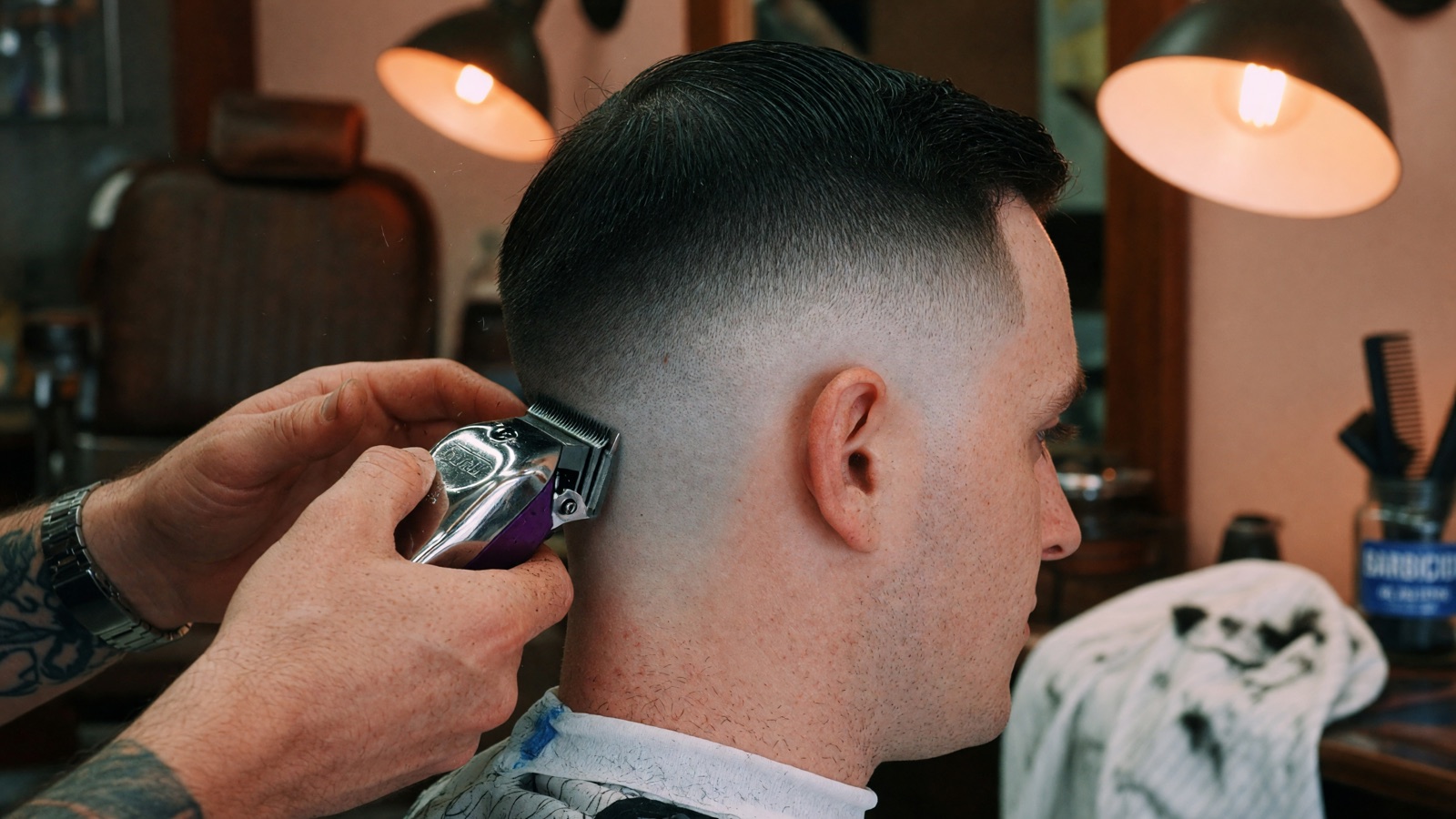
A fade takes the hair on the sides and back down very short and blends it up into the length on top. The name mostly tells you where the shortest point sits on your head.
- Low fade. Starts just above the ears and follows the hairline. Subtle and conservative, easy to wear at any job, and it grows out quietly.
- Mid fade. Starts around the temples. The most requested version in most shops, balanced between clean and bold.
- High fade. Starts up near the corner where the side of your head meets the top. Heavy contrast and a sharper statement.
- Skin fade. Also called a bald fade. The shortest point goes all the way down to bare skin, whether the fade sits low, mid, or high. The sharpest look in the family and the fastest to show grow out.
- Drop fade. Curves down behind the ear instead of running straight around the head. A flattering pick on rounder face shapes.
A taper is the quieter cousin of the fade. It shortens the hair gradually at the sideburns and neckline only and leaves the sides longer. If you want something clean that nobody at the office will comment on, a taper might be your answer, and the FAQ below breaks down the difference.
The Five Things to Tell Your Barber
You do not need barber vocabulary to get a great fade. You need five small pieces of information. Bring them and any good barber in Madison County can build the rest.
- A photo. One picture of a cut you like beats three minutes of description. Screenshot it before you come in. Your barber will tell you straight whether that cut suits your hair type and how it will look grown in.
- Where the fade starts. Low, mid, or high. Point at your own head if the words feel awkward. Everyone does it, and it works.
- The shortest length. This is the guard number, and it is the detail most people skip. Skin, a zero, a one, a two. If you liked your last cut, ask what was used on the sides and save it in your phone.
- What happens on top. Say how much length stays, whether you part it, push it back, or let it sit natural, and whether you want scissors or clippers up there.
- The finish. Razor around the edges or clippers only, natural neckline or a hard line. If nobody has ever asked you that question, the next section is for you.
One more thing worth saying out loud: tell your barber how you actually live. A hat every day at work, a helmet, three weeks between visits, a wedding on Saturday. The right fade for your life might sit one notch lower or one guard longer than the photo, and a barber who knows the whole picture will steer you right.
Razor Fades, Neck Fades, and the Finish Most People Skip
Ask ten guys what finish they got on their last haircut and most will shrug. The finish is the last five minutes of the cut, and it decides how the whole thing ages. At our shop we do razor fades and neck fades, which means the lowest part of the blend and the edges get finished with a blade instead of clippers alone. The skin at the bottom reads cleaner, the transition looks smoother, and the first week of grow out stays presentable instead of turning fuzzy.
The neckline matters just as much. A blocked line looks extra crisp on the day of the cut and then shows stubble quickly. A natural neckline follows the way your hair grows, so it fades out soft and buys you extra days of looking fresh. Neither answer is wrong. Pick the line based on how soon you plan to be back in the chair.
Keeping a Fade Sharp Through a Kentucky Summer
Central Kentucky humidity is hard on a haircut. Sweat, ball caps, and pool days all speed up how fast a fade loses its edges, and July and August around Berea deliver all three. A few habits help. Rinse the sweat out after mowing or ball practice instead of letting it sit. If you live under a hat all summer, say so before the cut starts, since a slightly longer guard on the sides holds its shape better under a brim.
Most fades look their best for about two to three weeks, which is why plenty of regulars book the next visit before they leave the chair. Berea College students heading back for fall semester and families lining up school pictures tend to fill the book fast in August, and folks from Richmond and the rest of Madison County plan their trips around it. Booking ahead beats hoping for a walk-in slot during the back-to-school rush.
FAQ
What is the difference between a taper and a fade? A taper shortens hair gradually at the sideburns and neckline and leaves the sides longer. A fade takes the sides and back down much shorter, sometimes to bare skin, with stronger contrast. Tapers grow out slower and read more conservative, while fades look sharper and need touch-ups sooner.
How often should I get a fade touched up? Most fades hold their shape for two to three weeks, sometimes four for lower, longer versions. Skin fades show grow out first. For a timeline that fits your own hair, ask your barber at the end of the cut. They just built it, so they know when it will start to soften.
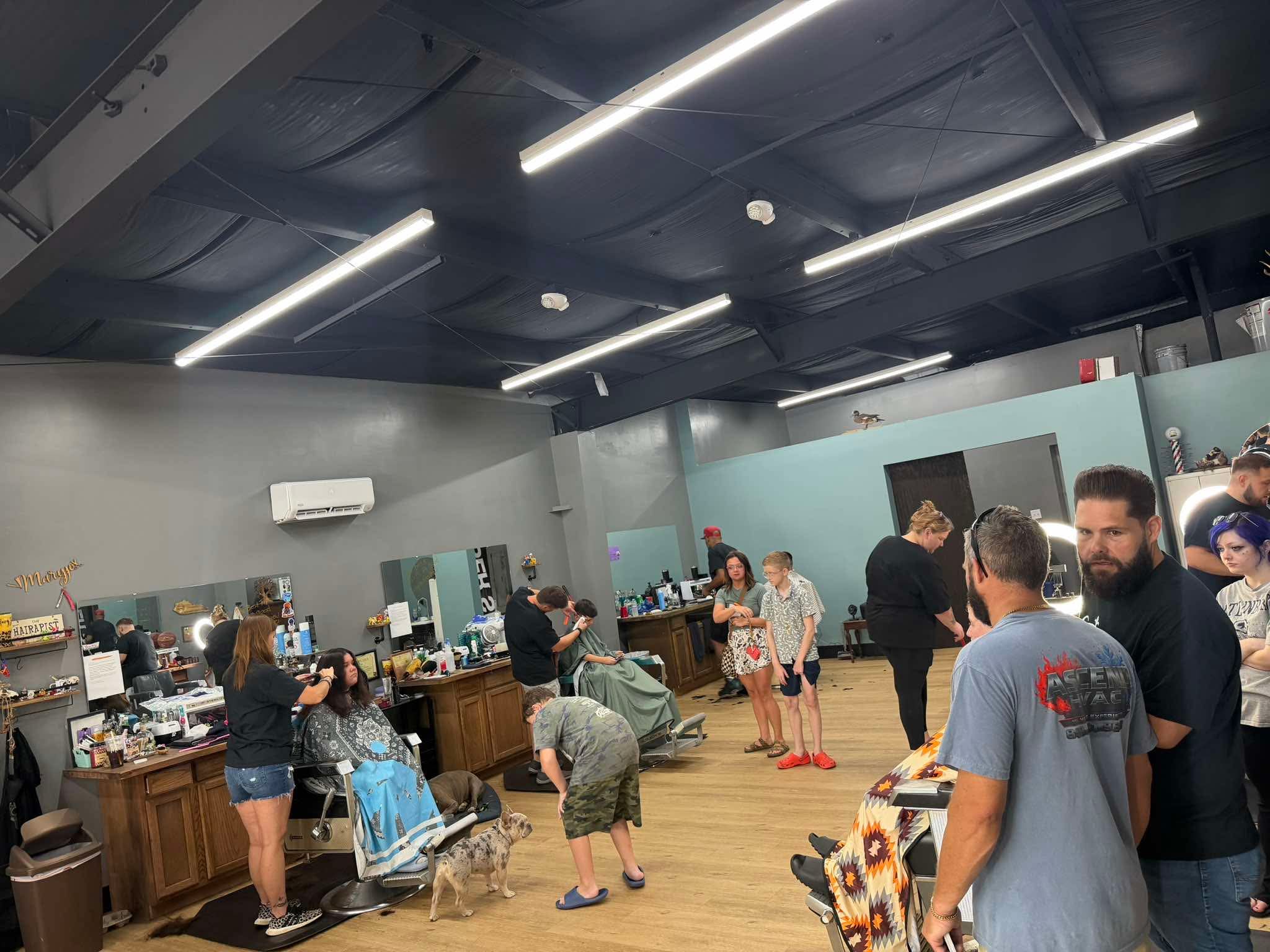
Can an old-school barbershop do a modern fade? Yes. The Twisted Willow Barbershop keeps a traditional 1950s feel inside the shop, and the chairs turn out modern cuts every day: skin fades, razor fades, neck fades, and current styles alongside the classics. Fading is clipper and blade craft, which is exactly the craft traditional barbering was built on.
What if I still do not know what to ask for? Come in with a photo, or describe your job, your hat habits, and how often you want to sit in the chair. A good barber asks questions before picking up the clippers. First-timers are welcome, and nobody expects you to know the vocabulary.
Do you cut kids’ fades? Yes. Kids cuts at our Berea shop cover ages 1 and up, fades included. We keep the visit calm and easy, and a photo from a parent helps just as much as it does for the adults.
Ready to put this to work? Book online at https://www.vagaro.com/thetwistedwillowbarbershop or call the shop at (859) 756-6385. You will find The Twisted Willow Barbershop at 100 Clay Dr, Berea, KY 40403, cutting traditional and modern styles for Berea, Madison County, and everyone who makes the drive down from Richmond, KY.
Quick Answers
- What is the difference between a low, mid, and high fade?
- The name tells you where the shortest point sits. A low fade starts just above the ears, a mid fade starts around the temples, and a high fade starts up near the corner where the side meets the top of your head.
- What is a skin fade?
- A skin fade, also called a bald fade, takes the shortest point all the way down to bare skin. It can sit low, mid, or high, and it gives the sharpest look in the fade family.
- How do I ask my barber for the fade I want?
- Tell your barber where you want the fade to start, how short you want the top, and how much contrast you like. Bringing a photo is the easiest way to be sure you are both picturing the same cut.